 Photo by Jordan Nicholson
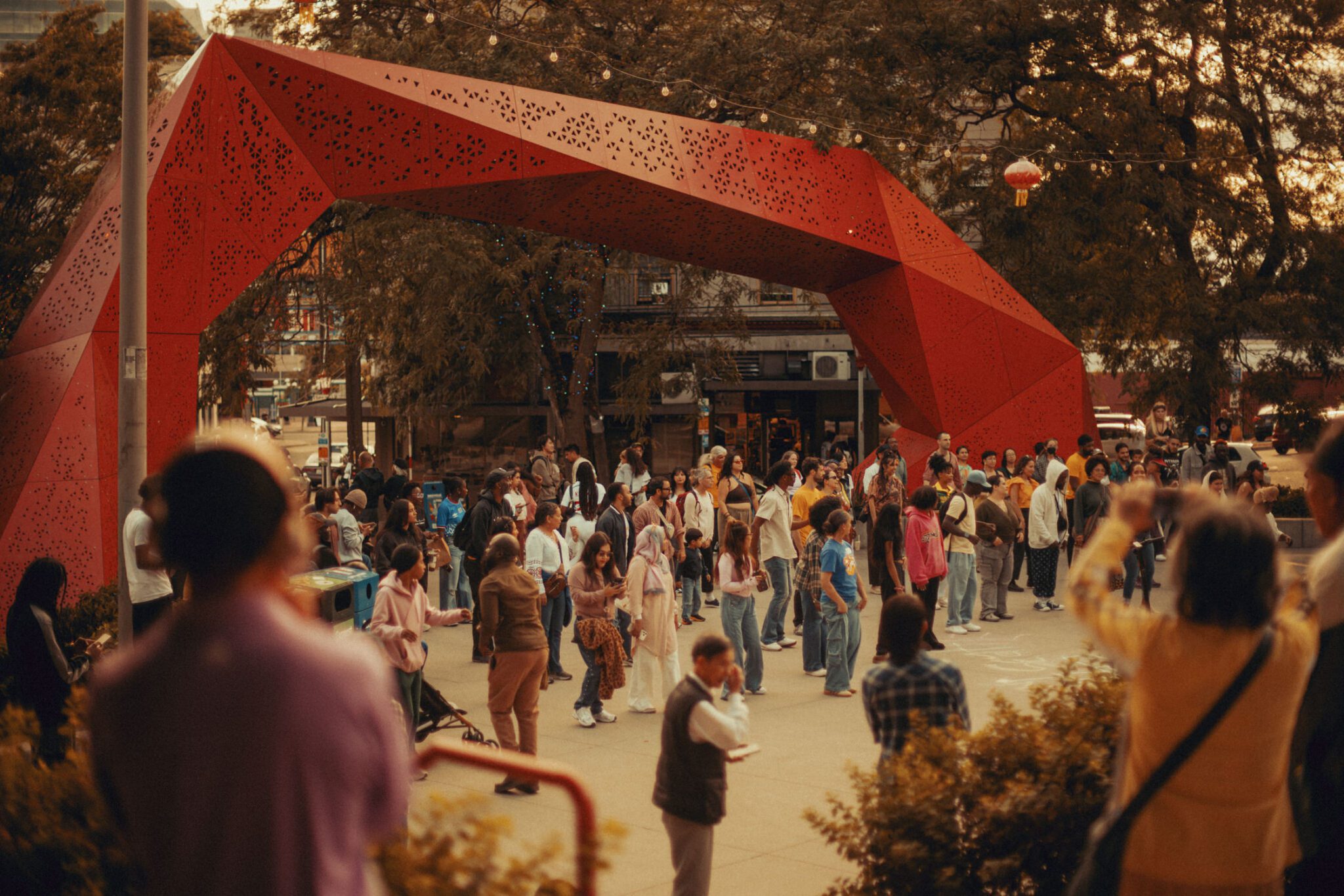
 On any given match day for FIFA World Cup 2026, you’d find Pioneer Square filled with the cheers of fans, community celebrations, and camaraderie. During the June 19 USA vs. Australia match, nearly 20,000 people—neighbors, visitors, strangers alike—all came together to watch the match on the same screen.
“The watch parties were above and beyond what we expected,” said Marcus Lalario, owner and partner of HOMETEAM and Brick Park, the organization that put on the Brick Park Watch Parties in Pioneer Square. “To see the different communities feel welcome here … it was just really, really a beautiful thing to see everyone outside enjoying what the World Cup has to offer.”
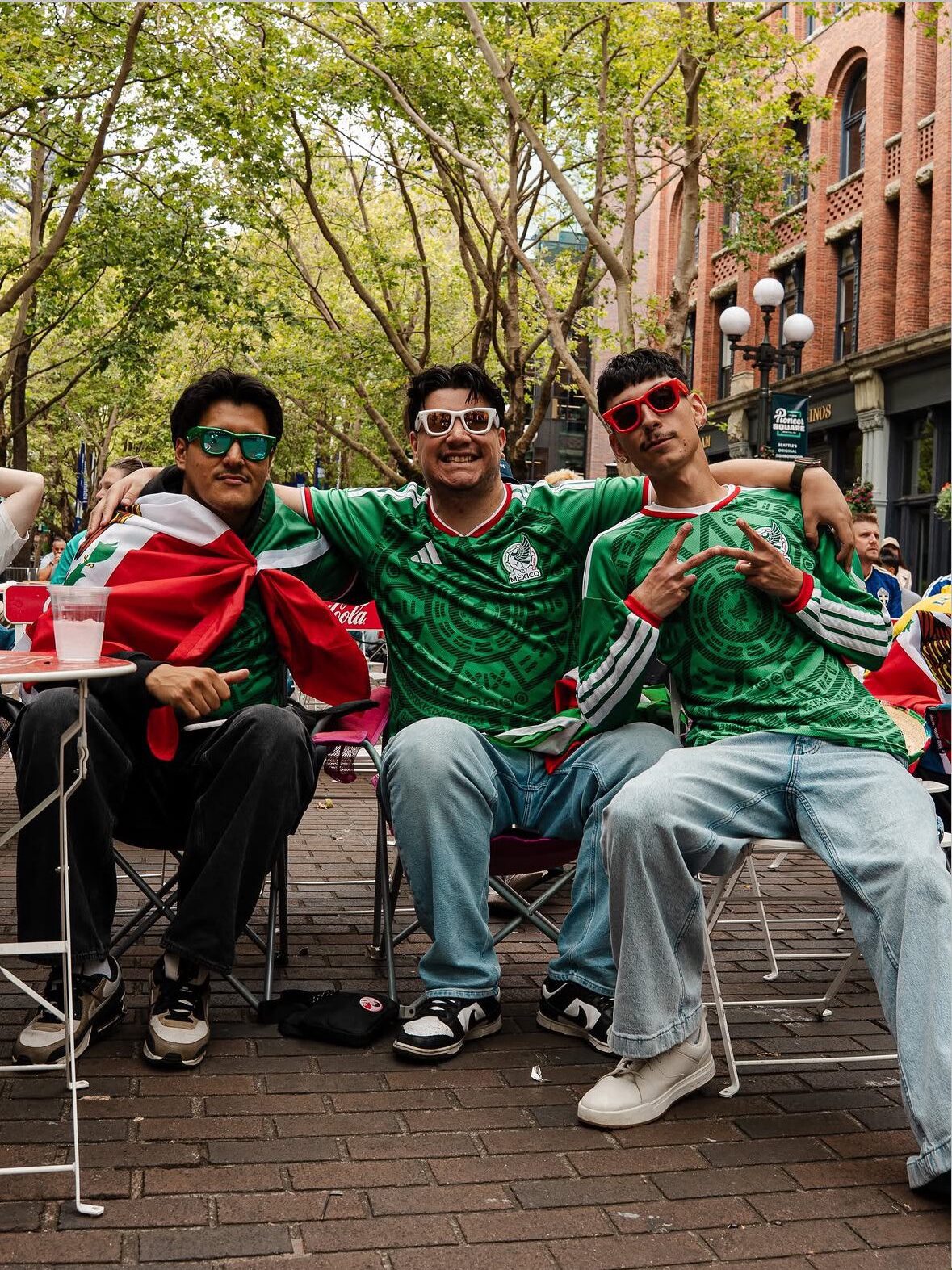
That day in Pioneer Square made headlines and history, but it was just one of over 100 events, put on by 29 organizations, in 16 neighborhoods across Seattle, all backed by $2.3 million in funding from the Seattle Office of Arts & Culture (OAC). Here’s what that funding actually did in both the places you’d expect and in neighborhoods you might not.
Beyond Downtown
FIFA World Cup 2026’s energy was not just a downtown story. Our funding reached far beyond Pioneer Square and the Downtown core—Ballard, Beacon Hill, Belltown, Capitol Hill, Central District, Chinatown International District, First Hill, Fremont, SODO, Maple Leaf, Queen Anne, South Park, University District, West Seattle, and more. Every City Council district hosted events funded by us.
In the Central District, LANGSTON and CD Forum hosted Can I Kick It? Black Brilliance in Motion, an event that brought together youth, families, football fans, and the football-curious to experience soccer as more than a sport, but as a cultural force tied to identity, migration, creativity, and joy.
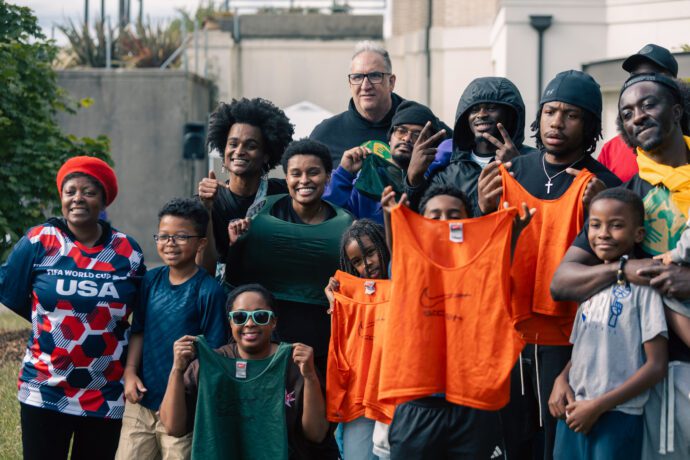
J.R. Lester-Peters, LANGSTON’s Interim Marketing Director, talked about what the event meant beyond the game itself, “It was a beautiful moment that demonstrated how important it is to … cultivate joy and Black brilliance … in the Central District, where so many of the Black community in Seattle still call home.”
Team Wins: What a Community of Practice Looked Like
In the Chinatown International District (CID) community was forming and not just in the streets. Several CID organizations—Wing Luke Museum, Seattle Chinatown International District Preservation and Development Authority (SCIDpda), Chinatown International District Business Improvement Area (CIDBIA), and more—applied to us for funding on their own. We asked them to meet and work together.
“They have a word for it—’community of practice,’ ” said Tuyen Than, Executive Director of the CIDBIA. “There were many meetings where all the event organizers met to talk about best practices, what vendors they’re using, what problems people are running into. And from there … we’re like, okay, let’s join forces to create something bigger and better.”
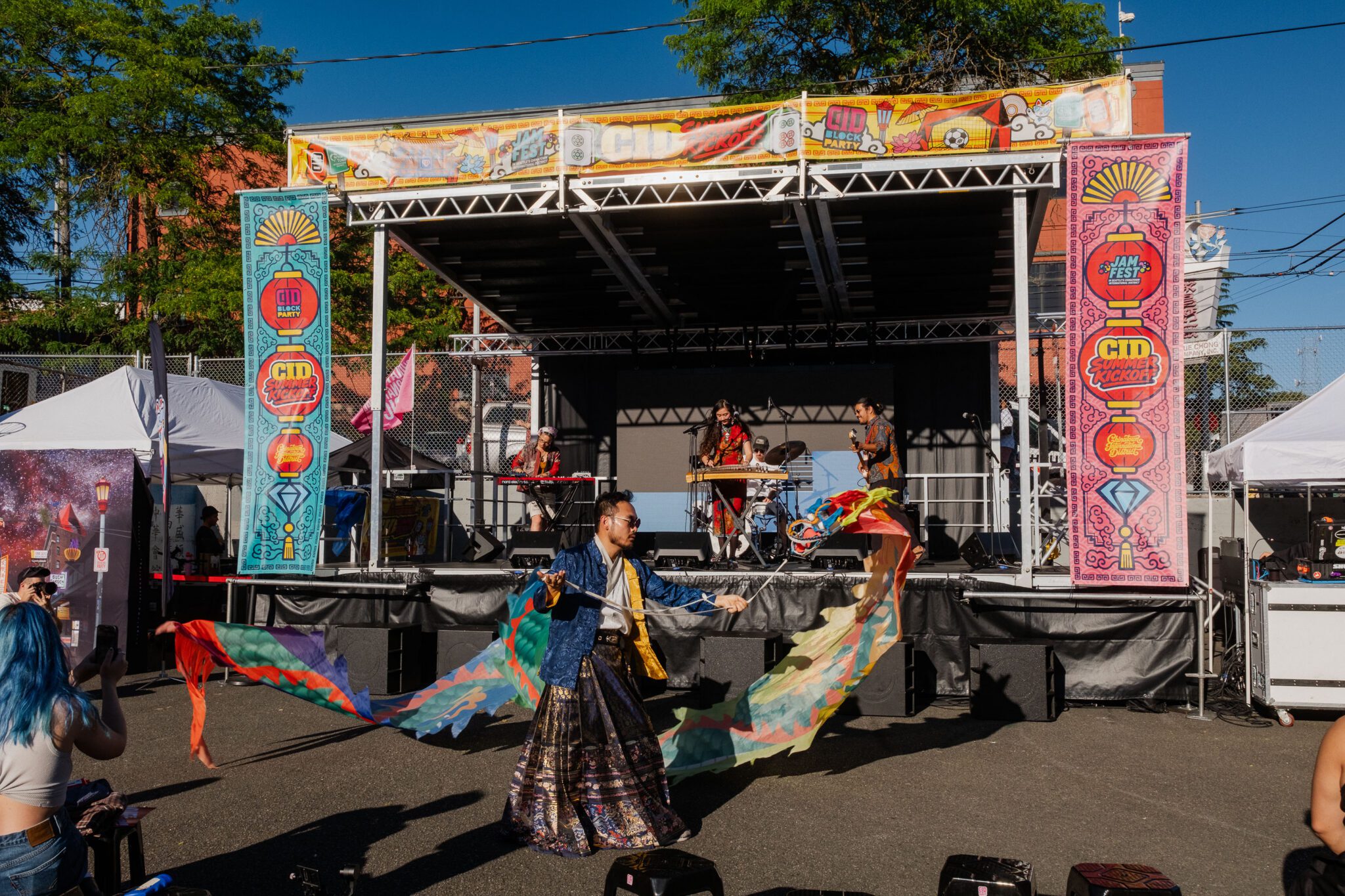
The result was a CID Summer Kickoff for the books that combined two annual CID events—Wing Luke’s 16-year-old Jamfest with CIDBIA’s newer CID Block Party.
“By joining forces, we were able to spread more joy and arts and music … to a wider range of people, residents, guests, tourists,” said Vivian Chan, Wing Luke’s Director of Community Programs.
For Than, the partnership said something bigger about the neighborhood, “This CID today is the third Chinatown. It’s a neighborhood that’s reinvented itself many, many times and it continues to reinvent itself … art and hope and creativity—that’s what gives it its soul.”
Success Looks Different for Different Neighborhoods
Not every event drew crowds of 20,000 people, and that’s kind of the point. In Little Saigon, Friends of Little Sài Gòn (FLS) used their funding to run the Hoa Mai Blooming summer series. This series included two farmers-market-style events plus Celebrate Little Saigon, one of the neighborhood’s biggest events of the year. Our funding covered permits, equipment rental, and paid for local artists and performers: DJs, live portrait artists, photo booths.
“We didn’t get as much attendance as, you know, Pioneer Square, the Waterfront, or downtown core,” said Anh Nguyen, FLS Arts & Culture Program Manager. “But it was still really important to host these events … it really helps us build community, bring the Vietnamese and Southeast Asian communities … here to Little Saigon, keeps our businesses flowing with foot traffic, and keeps the neighborhood’s vitality.”

Felix Tran, FLS Arts & Culture Program Specialist, connected the funding to a challenge the neighborhood is still working through, “Little Saigon as a neighborhood has a lot to offer, and it’s hard for people to discover that, especially with the negative press. So being able to host these events is really important because it helps us fight the negative perception the neighborhood gets.”
Not every dollar makes a viral moment, but how these dollars are spent is just as important: keeping a neighborhood visible and supported while it tells its own story, on its own terms.
What $2.3 Million Bought
Numbers alone don’t capture what happened in Seattle this summer, but they help show what’s possible when the City recognizes how culture plays a foundational role in shaping vibrant, connected, and resilient communities:
- $2.3 million total OAC investment
- 29 organizations funded
- 100+ events
- 16 neighborhoods
For HOMETEAM, the funding is what made Pioneer Square’s watch parties free for everyone. “The funding from the Office of Arts and Culture really helped us build the infrastructure that was needed to make this event free for the community,” Lalario said. He also pointed to what it meant for local businesses, “It’s actually allowing these businesses to stay afloat. It’s actually allowing people to pay rent … to get caught up on past bills.”
What’s Next
People showed up—organizers, artists, performers, neighbors, first-time attendees—because being part of something shared in community is something Seattle clearly craves.
Seattle’s creative spirit isn’t tied to any single event. Now that the crowds have gone home, artists are still making art, building community, and helping us imagine what’s possible. I invite everyone to keep coming to these events, supporting our artists; to be in community with one another and experience all that Seattle’s creative communities have to offer.
– Amy Nguyen, OAC Director
FIFA World Cup 2026 gave Seattle a moment and neighborhoods across the city showed up with our support. This is what that looked like and it’s a case for doing more of it.