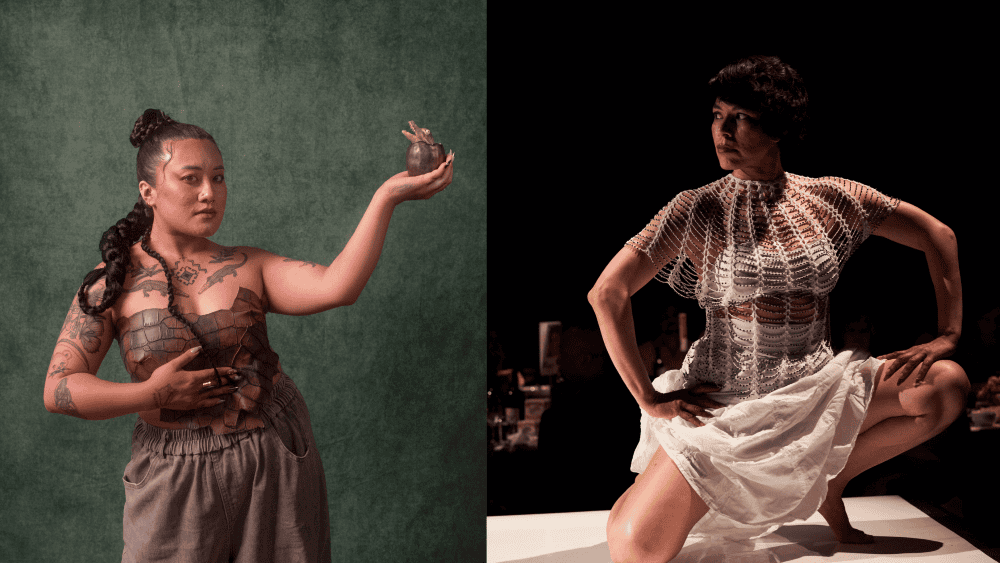
Set against the backdrop of Buwaya Baby, an exhibition serving as a portal of protection, October at ARTS at King Street Station brings together two spiritually-driven performance works.
Artists Heidi Grace Acuña (HGA) and Naomi Macalalad Bragin (Little Brown Language) share a conversation discussing grief, home, and ritual as it is threaded through their personal and collective practices. Recipients of the Seattle Office of Arts & Culture’s We Still Dream a Future grant, HGA presents an interdisciplinary fashion show on Oct. 1 and Little Brown Language performs a multi-sited dance and storytelling procession on Oct. 3 at ARTS at King Street Station. Read on to learn more!
We Still Dream a Future is a series of free public art activations, installations, exhibitions, performances, and learning experiences designed to help us dream, learn, and grow, taking place throughout the Downtown core. View our events calendar for more information.
A conversation on Grief, Home, and Ritual
On grief and bodies in motion
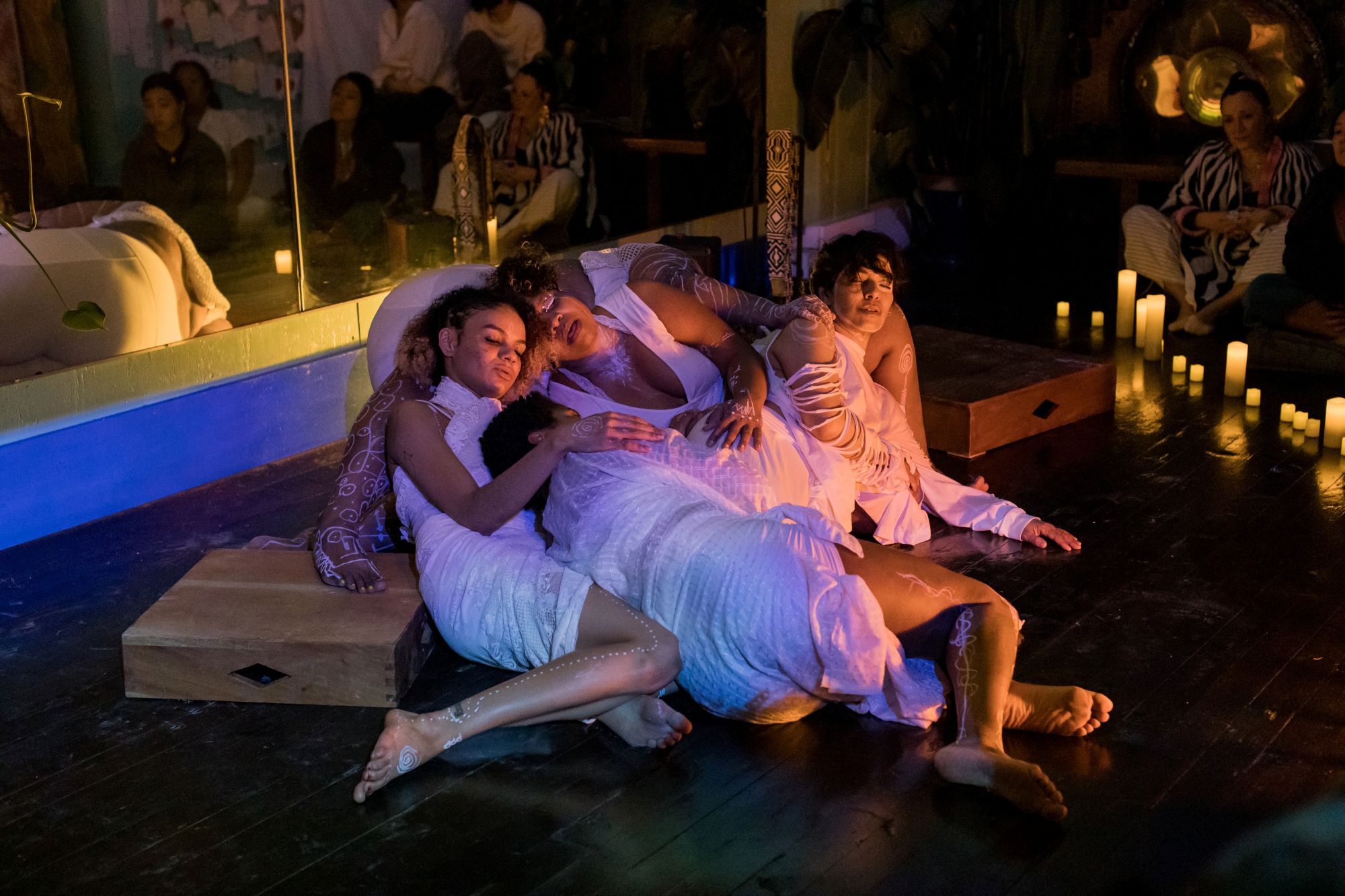
Naomi: On my artistic journey, I’ve been curious about migration grief, the complex and recurring forms of loss attached to leaving and moving between places. Migration grief can be held in one’s body, not in an individualistic sense, but as a sense of being entangled with others. Through Grief Rituals, the project that Milvia Pacheco Salvatierra and I are building in collaboration with a multidisciplinary group of artists, we’ve been experimenting with ritual practices that allow us to collectively move through our migration griefs. We use movement, sound, voice, and visual art to attune to these psychic landscapes, giving expression to our ancestral stories and reenvisioning our lineages in ways that help us heal in community.
HGA: It has been great chatting with you as we find connections in the buwaya, Filipino heritage, migration, art, and culture. I see how Buwaya Baby can also be a space for grief, because joy cannot exist without grief as they are both rooted in love. This exhibit is a place of hope for us, our descendants, and the future, but it also brings up feelings of grief. When reflecting on the exhibit, I am sad that the buwaya was demonized and that my people had gone through life without the support and protection of the buwaya. I also grieve the life that could have been if my people and people of the global majority weren’t forced to migrate due to the impact of colonialism, imperialism, genocide, and war. Yet, I stay hopeful and find comfort in the creatures of this Earth that move naturally as the winds and water do.
On home and the crocodile
HGA: My exhibition Buwaya Baby is my latest project that brings many threads of my personal history and migration together, along with spirituality. Buwaya is the Tagalog word for crocodile. Buwaya Baby is one way I reclaim my ancestors’ pre-colonial beliefs that the buwaya is a feared and revered creature, also considered to be an ancestor and guardian of the spirit realm.
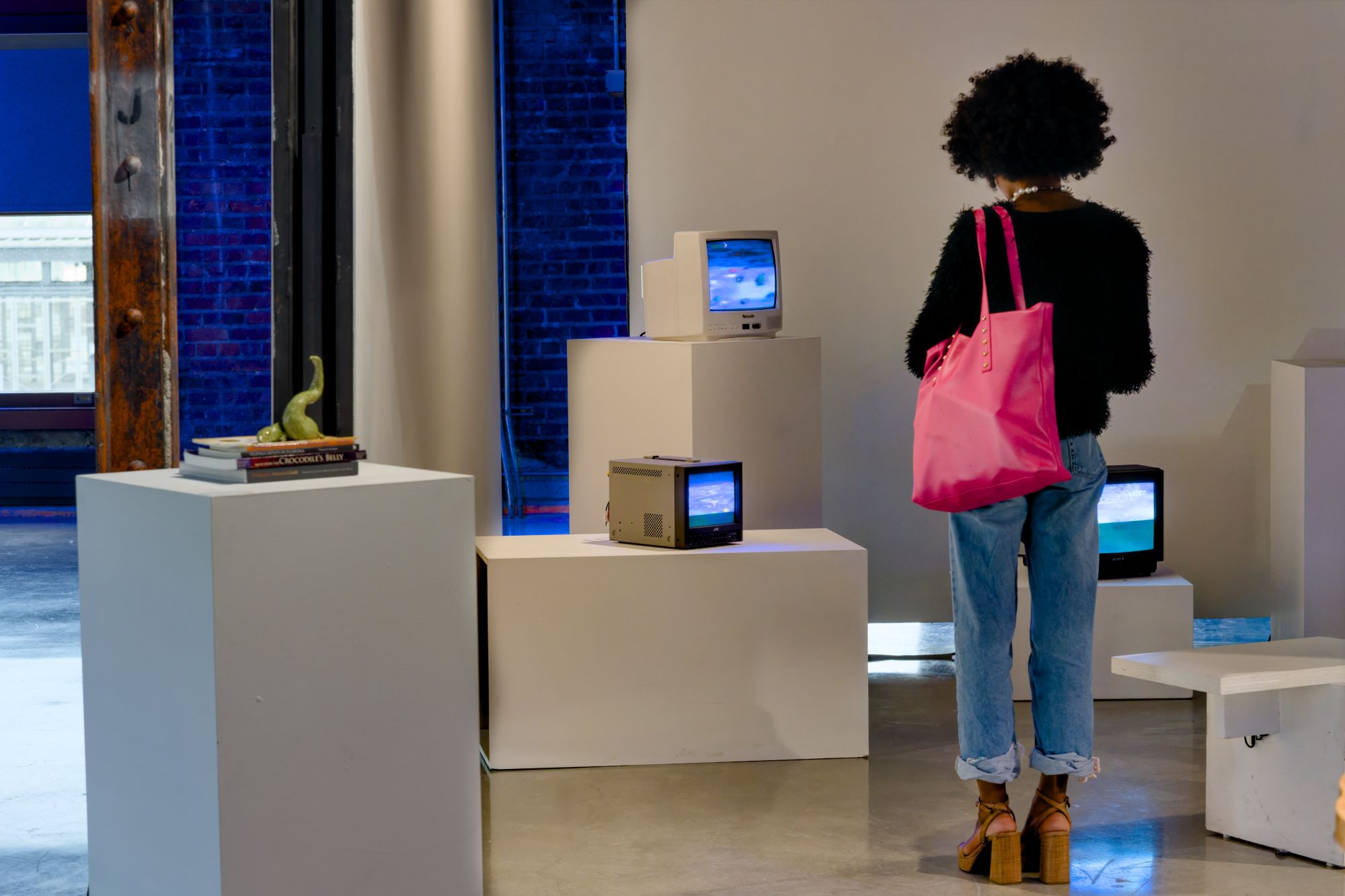
The exhibition features an installation in collaboration with Arabella Bautista which consists of eight retro televisions. They form a circle at the edges of the exhibit, with footage of crocodiles swimming through the screen. This piece speaks to migration being a natural thing that has existed before humans and that will continue to. My parents individually immigrated from the Philippines to New York in the ’80s as healthcare workers before meeting in New Jersey. Then they moved to WA where my sister and I were born and we all moved to O’ahu when I was one. I returned to WA at 19. My art practice, in my various mediums, is rooted in home—the multiplicity and expansiveness of home, feeling home in the body, connecting with our Earth home, creating spaces where people can feel at home.
Naomi: I love that you connect home with embodiment and expansiveness. My experience of migration grief is very much submerged in a longing for multiple homes that feels like a catch in my throat and a quivering in my heart. Being racially and ethnically mixed (my mother is Tagalog-Filipino and my father is Jewish-American), I’ve been given the gift to know home expansively and the challenge to form spiritual tools to process intergenerational migration grief. I didn’t grow up learning Tagalog, so my grief rituals often incorporate language. For me, buwaya are an important energy for the river-dwelling Tagalogs, symbolic of our ancestral migrations over and under water. Performance gives me the freedom to translate the buwaya’s ancestral rhythms into the languages of dance, chant, and electronic music that feel most familiar to me.
Your idea to visualize the buwaya swimming through TV circuitries reminds me that buwaya themselves are spiritual technologies who inspire human creativity. I’m thrilled for the serendipity that has brought our two projects to share cultural space and the community dialogues that can potentially emerge.
On ritual and what remains
HGA: Overall, my exhibit is a portal for us to connect with benevolent spirits, ancestors, and the guardian buwaya. I hope my work shows people that we have more similarities than differences, with each other and the world with which we coexist. By being specific and going deep into my heritage and beliefs, and sharing that with the world, I invite audiences to reflect on the information shared and hopefully see the similarities in their own lives. When artwork that engages community is specific, it provides a starting point for more conversation and real connections.
Naomi: In early 2025, our performance group Little Brown Language began to partner with Derek Dizon, the steward of A Resting Place, a grief and loss cultural resource center in the heart of Chinatown. Derek magnetizes community through his liberatory understanding of grief work, which moved us reframe our approach to ancestral ritual.
A lot of what motivates us to do this work is our desire to see beauty in public. I would love to put beauty at the center of city planning, rather than money and politics. How can cities become more exciting places for artists to be, and how can artists come together to incite a transformation in societal beliefs that have overdetermined our value?
About the Artists
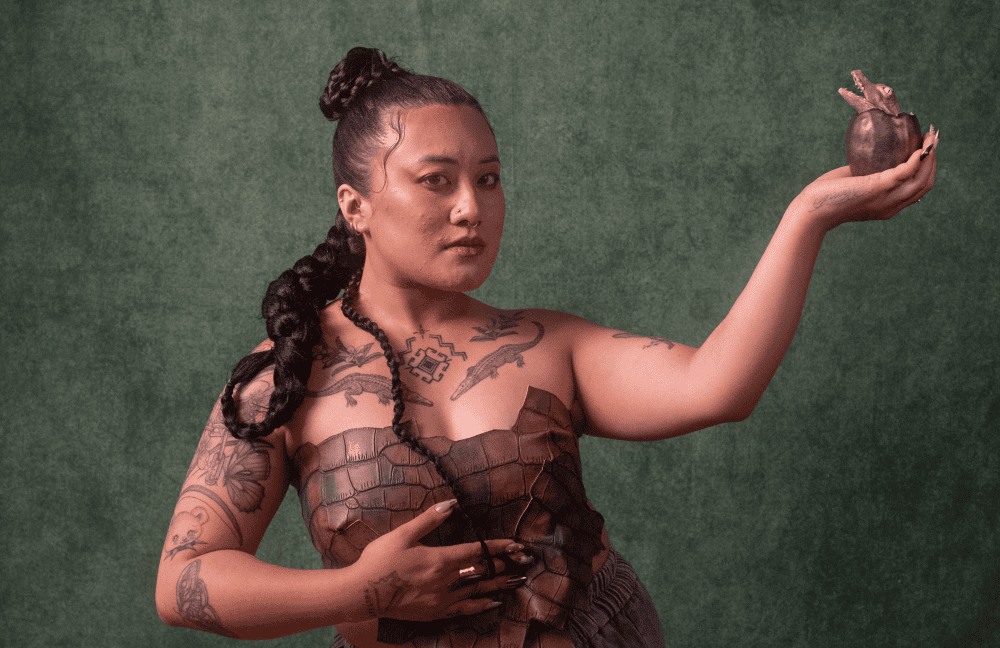
Heidi Grace Acuña is an artist who creates to live. Born in Federal Way, WA to immigrant Filipino parents and raised on O‘ahu since one year old, Heidi felt disconnected to a true sense of home and belonging. Now, Heidi makes art that finds the beauty in the multiplicities of identity, culture, gender, and home. HGA’s interdisciplinary work in ceramic sculpture, fashion design, installation, and performance aims to create a legacy for our descendants where they may thrive beyond borders of identity, place, or possibility.
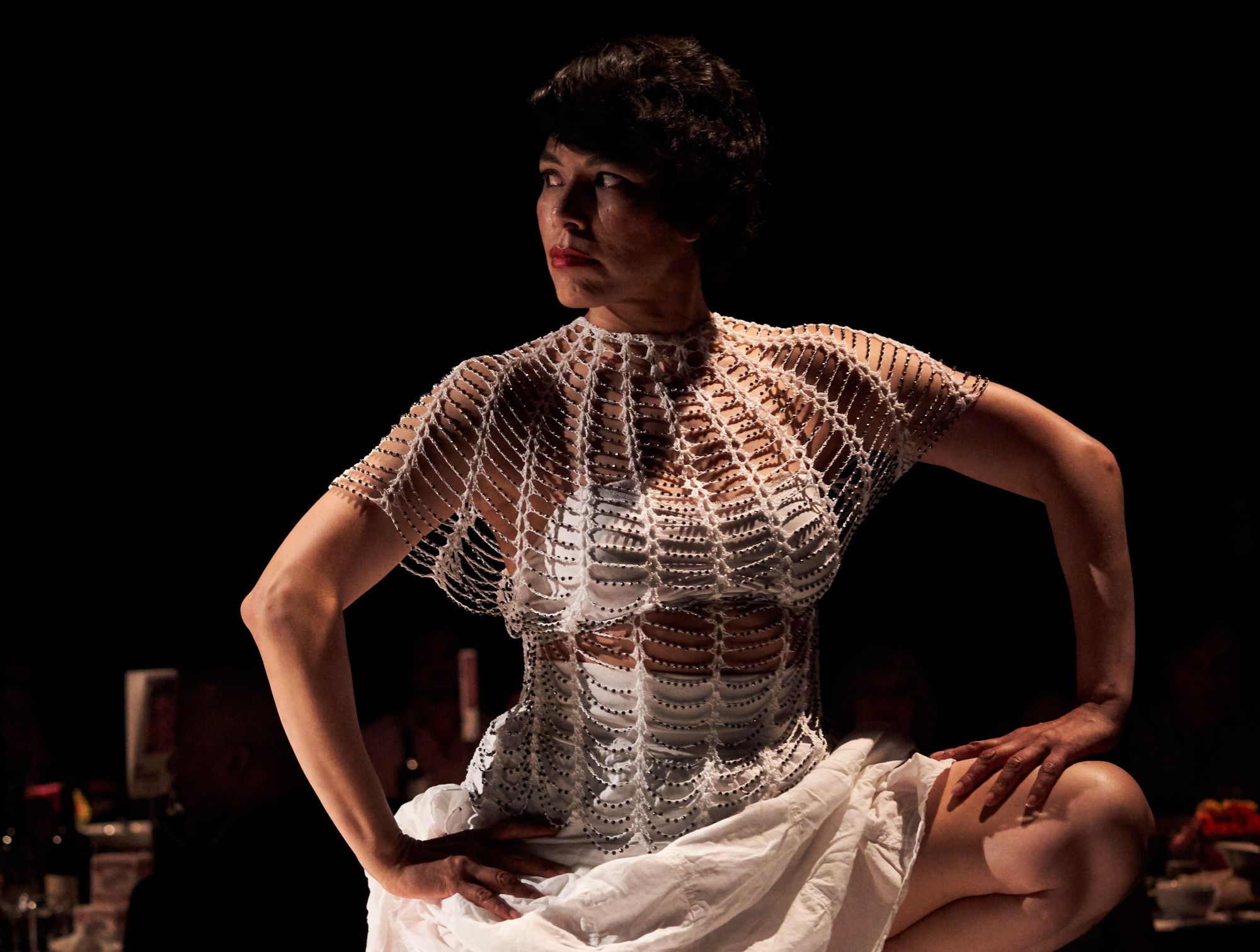
Naomi Macalalad Bragin is a transdisciplinary movement artist and writer interested in forming collaborations oriented toward solidarity and collective healing. With artist and community organizer Milvia Pacheco Salvatierra, she serves as co-artistic director of Seattle-based performance group Little Brown Language.
Little Brown Language is a Seattle-based performance group, who exist to build new forms of solidarity among local artist-organizers through embodied cultural practice. We are guided by a collective commitment to healing our relations with land and lineage. We create worlds in which the hidden histories of our communities become embodied, felt and seen.