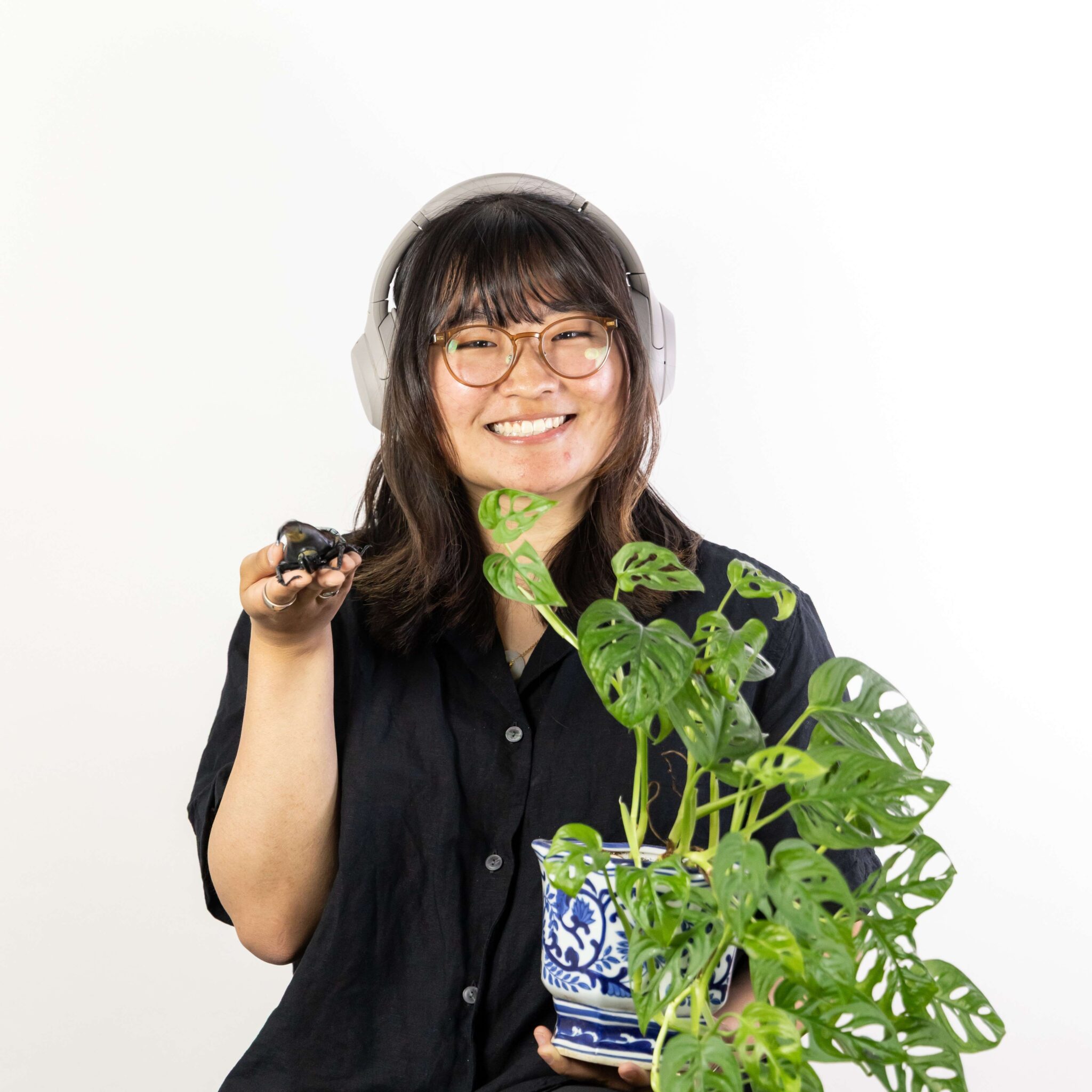
We spoke with 2025 Bridge Artist in Residence Vivian Cho about their background and insights into their unique residency at the University Bridge. Read on to learn more!
Vivian Cho (she/they/he) is an interdisciplinary visual designer and artist based in Seattle who is passionate about storytelling through motion. Driven by curiosity and a love for experimentation, their work explores the boundaries between form and medium. Vivian’s fascination with animation began in childhood, watching 1980s Chinese cartoons on a CRT TV in their grandparents’ bedroom. They started animating with stapled sheets of paper, eventually developing a creative practice that spans 2D and 3D digital animation. Vivian continues to explore ways of combining analog animation methods with digital processes, finding beauty and interest in the intersection between these ways of making.
Having lived in the Tacoma-Seattle area for their entire life, their creative practice is deeply influenced by a lifelong connection to the Pacific Northwest and its natural landscapes. Through art, design, and animation, they aim to create work that inspires people to connect with their surroundings and its natural systems—inviting curiosity and delight.
How did you get to where you are now in your practice? How are you bringing your past experiences into this program?
Growing up, I had a deep love for animation — as a kid, I used to watch Ghibli films on repeat and would spend hours on my dad’s office computer trying to make my characters move in Windows Movie Maker. I sadly couldn’t afford to go to art school for animation, but was very lucky to be admitted to the University of Washington. I was lost at first and briefly considered going into medicine, but I soon discovered the UW Design program and began studying Visual Communication Design. It was a big learning curve, but I am very thankful for how design thinking has changed how I view and analyze the world, as well as my approach to storytelling.
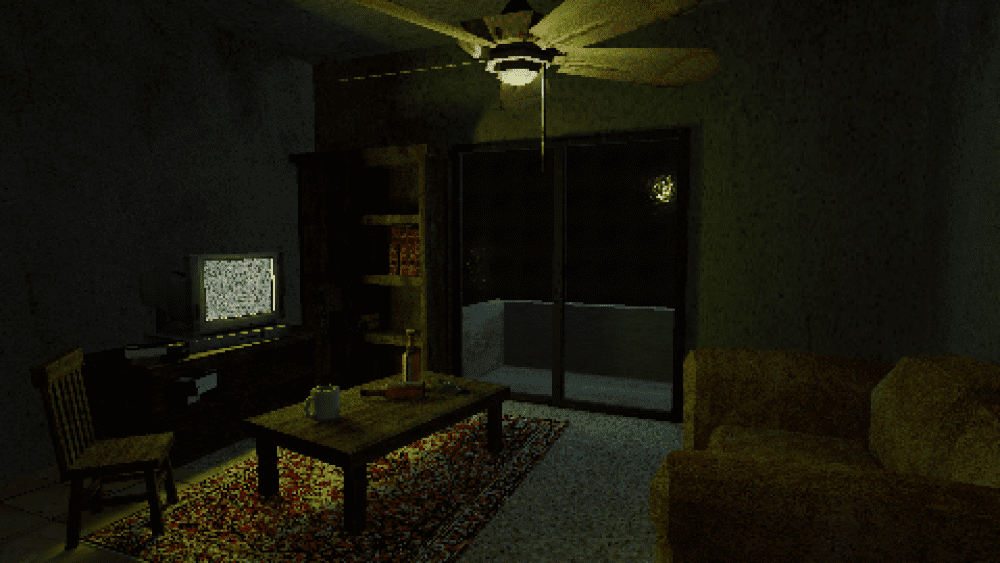
From there, I looked for any opportunity to combine animation with my design practice. In my sophomore year, I took the UW Animation Capstone, where I fell in love with Blender and 3D graphics. I also dove into the world of motion design/motion graphics, which led me to work with Netflix as a motion design intern in the Experience Design org. In my senior year, I decided to synthesize my design and animation skills for my Design Capstone project and craft a psychological horror point-and-click game called Memorandum.
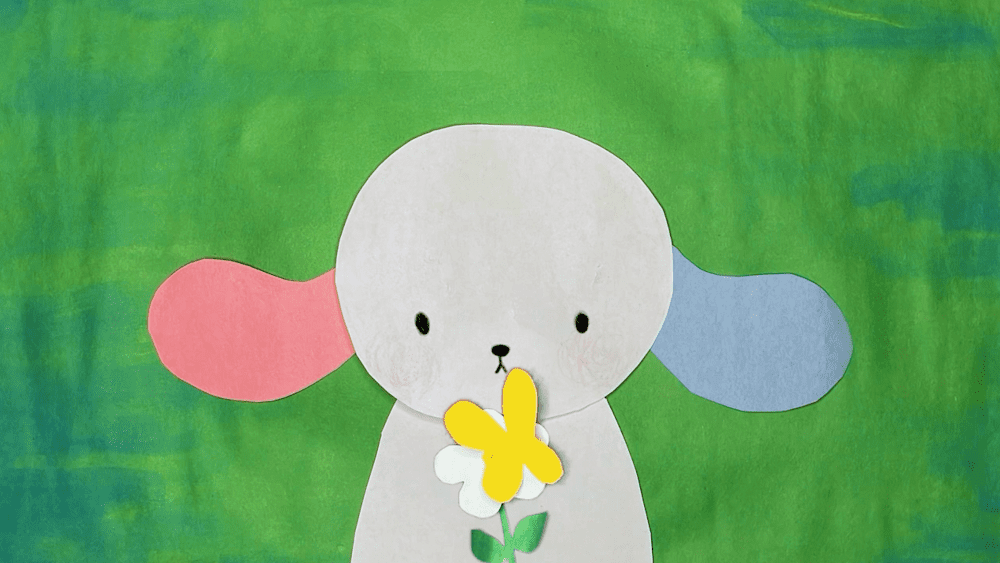
Following Memorandum and with this residency, I’ve been eager to continue creating narrative-driven work — particularly works that explore identity and sense of self. I’ve also been very excited to explore ways of combining digital animation with analog techniques. I’ve been having a lot of fun animating traditionally with paper, as well as experimenting with animation using cyanotype.
What are you working on in the residency space?
I am working on an animated short film called Interstice that investigates life in transition and the beauty in taking the time to observe the world around you. It is inspired by the everyday activity of the University Bridge and everything that interacts with it. As someone without a car and who loves to get around on foot, this film is also my personal love letter to public transportation and civic infrastructure.
I’ve brought a lot of my personal journey into this residency and the project — having just graduated and finding myself faced with a lot of uncertainty and change, it feels symbolic to be working on a literal bridge. The Portage Bay area also holds a lot of personal significance to me, having been my personal respite throughout college whenever I needed a break from projects or hectic student life.
Being in the bridge tower studio has been a great reminder of how important it is at times to ground yourself and pause to observe your surroundings. I’ve spent several days at the tower simply doing observation sketches and studies — I’ve gotten a lot better at drawing cars, cyclists, pedestrians, and boats in under 30 seconds!
What has your favorite part of the residency been so far?
Connecting with the community has been really exciting! It makes my entire day whenever someone on the street asks what I’m up to when I’m entering the bridge tower, or when I pass a brief smile and wave to those who look through my studio window. After sharing my work online and posting about the residency, I received an incredible outpour of excitement and support, which has been really invigorating. Seeing people’s enthusiasm about celebrating the University Bridge and supporting public art in Seattle has filled me with so much joy and newfound confidence. I’ve been very lucky to connect with such generous people who have offered their services, knowledge, experiences, and expertise in support of my residency project — opportunities and stories I wouldn’t be able to find anywhere else.
How has your experience been working with city partners like the Office of Arts & Culture and the Seattle Department of Transportation (SDOT)?
Everyone from both the Office of Arts & Culture and the Seattle Department of Transportation have been incredibly kind and welcoming! As my first artist residency, I feel so fortunate that the Office of Arts & Culture saw the potential in my work. They have been greatly supportive and accommodating throughout this experience.
I’ve had some great conversations with a few of the University Bridge operators, who have generously shared their bridge-tending stories and experiences with me. I feel so lucky to get a peek into the often unnoticed world of bridge tenders — and to share such a cool view with them! I’ve also gotten to chat with a few of the SDOT electricians who help maintain the University Bridge. One time, I came into the bridge tower studio to discover a letter from SDOT electricians expressing their excitement for my art and the project — it was incredibly heartwarming! Since starting the residency, my appreciation for both the Office of Arts & Culture and SDOT, and all that they do for the city, has increased tenfold. I think this work often goes overlooked and underappreciated, so I’m eager to use my project to help recognize and celebrate it.
What impact has this residency had on your practice?
At such an early and confusing point in my career, this residency has definitely helped push me out of my comfort zone and build up my confidence. I am so appreciative of the freedom I’ve been given to take the project wherever I want, as well as the time to experiment with new techniques and constantly iterate. Having this experience and the opportunity to hone my skills is incredibly valuable as I continue to define and shape my creative voice.
Beyond skill development, I’ve also been enjoying how community-based and site-specific this project is. As my practice continues to develop, I am excited to seek future projects where I can engage with local history and communities. I would like to continue exploring ways to weave community interaction and engagement into my creative process.

About the Bridge Artist in Residence Program
Designed by the Seattle Office of Arts & Culture in partnership with the Seattle Department of Transportation, the Bridge Artist in Residence program was devised in 2009 as a way to activate and celebrate some of Seattle’s historic bridges. Since then, artists have used space in the Fremont and University Bridges as both inspiration and studio space to explore these bridges’ roles and meanings for the city. Each iteration of the program has focused on a different artistic medium, including music, writing, lighting, and graphic novel residencies.