 River Surveillance System, Sarah Kavage, 2023.
 The Seattle Office of Arts & Culture (OAC), in partnership with Seattle Public Utilities (SPU) selected two artists to conduct meaningful community engagement as part of future public art opportunities.
These projects are extensions of a comprehensive community outreach approach. Centered in South and West Seattle, the projects concern issues of sea level rise/flooding, salmon health and habitat, and environmental stewardship. In March, Deborah Aschheim was selected for the South Park Water Quality Facility Project and Sarah Kavage was selected for the California Ave SW Culvert Replacement project. Both artists were selected from OAC’s Public Art Artist Roster.
South Park Water Quality Facility Project

Working closely with the design team and community stakeholders, the selected planning artist Deborah Aschheim will identify, define, and develop future public art opportunities for the South Park Water Quality Facility Project. Aschheim will work with SPU, other City Departments, project consultants, and community stakeholders throughout the design phase, and will explore both temporary and long-term public art opportunities for the project.
The intent is for the selected planning artist to conduct robust community engagement and outreach to inform their proposed future public art opportunities for the South Park Water Quality Facility Project and participate in the artist selection to ensure the vision of the community is included when commissioning artist(s) for permanent artworks.
As a final product, Aschheim will create a planning document and report that is a summary of their outreach and engagement strategies, identification of major themes and salient points of community input, and develop a series of public art recommendations that are directly tied to the data and information gathered. The planning artist will participate in the selection process and orientation of the selected artists to ensure understanding of the engagement themes, strategies, and community desires.
About the Artist:
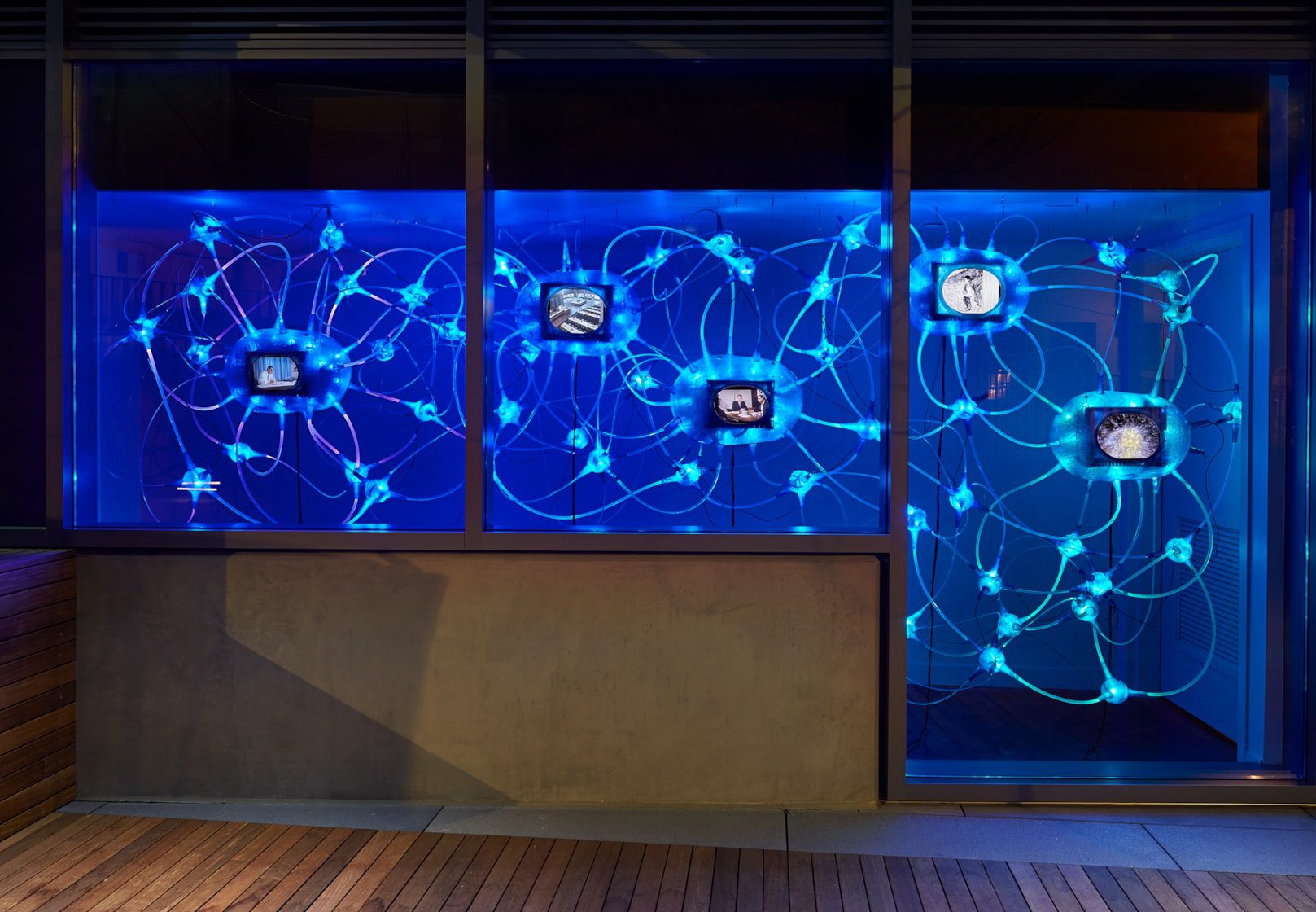
Deborah Aschheim makes work about memory and place, creating installations, sculptures, drawings, digital and social media projects, and temporary interventions into public space. Aschheim’s projects are often based on historical research and deep level community engagement. Aschheim is interested in the interconnectedness of the past and present, how we make meaning in shared spaces, and the way meanings change over time. Aschheim has explored themes of collective memory, oral history and social justice in vernacular history projects bring the stories of diverse communities to life.
California Ave SW Culvert Replacement
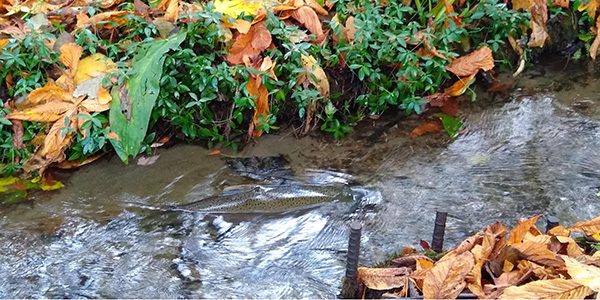
The California Ave SW Culvert replacement project is the second phase of the Fauntleroy Creek Culverts Replacement Program and is the focus of a new public artwork as part of the overall project. The primary goal of these projects is to reduce the culvert failure and associated potential impacts to public safety and the environment. Additionally, restoring fish passage is a crucial part of supporting Tribal treaty rights, as well as promoting the environmental stewardship of the watershed.
Artist Sarah Kavage will work alongside SPU project consultants/staff and outreach team to actively participate in outreach and community conversations in regard to the site; develop an artwork concept that reflects the voices of the community and the capital project team, landscape architects, and engineers; and fabricate and install site-specific durable public artwork. This project centers community voices and outreach to community as an integral aspect of the public art goals. Kavage will conduct significant and meaningful engagement to thoughtfully integrate and incorporate community driven ideas into meaningful art for the area.
About the Artist
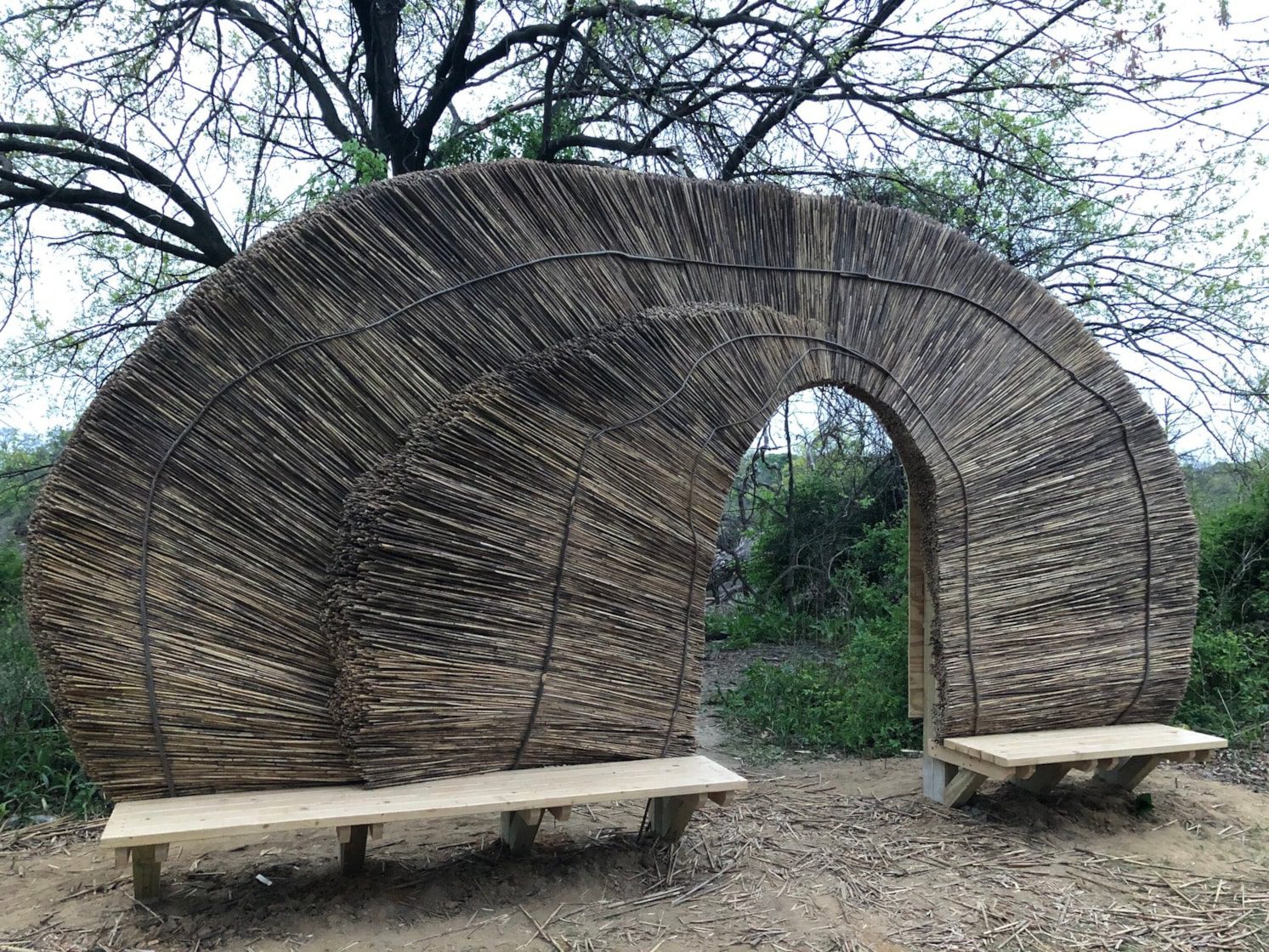
Sarah Kavage is a visual artist whose work engages with landscape, community, and material, creating work that brings healing to people and the landscape. Beginning with local materials, Kavage adapts plant-based material practices into large scale landscape interventions. Kavage is influenced by “women’s work” as well as agricultural and building traditions, seeking a modern interpretation of pre-industrial ecological awareness that is tied to the land through seasonality, availability of resources, interdependence, and communal labor. The resulting work brings function, tradition, and craft into a dialogue with public space and social engagement.